
Hip-Hop Fashion as a Cultural Phenomenon Influencing Global Style Trends
Hip-Hop fashion is a distinctive style of clothing and expression that originated from the hip-hop culture in the 1970s Bronx, New York City. It encompasses unique elements such as baggy pants, graphic tees, oversized jackets, sneakers, caps, and accessories like chains and grills, reflecting both the identity and social realities of urban communities. Over the decades, hip-hop fashion has evolved from a localized cultural expression to a worldwide fashion movement, influencing mainstream fashion industries, streetwear brands, and even haute couture designers. This article explores what hip-hop fashion is, its defining attributes, and the reasons behind its enduring global impact.
Defining Hip-Hop Fashion: Key Characteristics and Cultural Foundations
Hip-hop fashion can be precisely defined as the style and attire associated with hip-hop culture, which includes music, dance, art, and social commentary. According to fashion historian Dr. Tricia Rose, hip-hop fashion serves as “a visual language that communicates identity, resistance, and creativity within marginalized urban communities” (Rose, 1994).
The key characteristics of hip-hop fashion include:
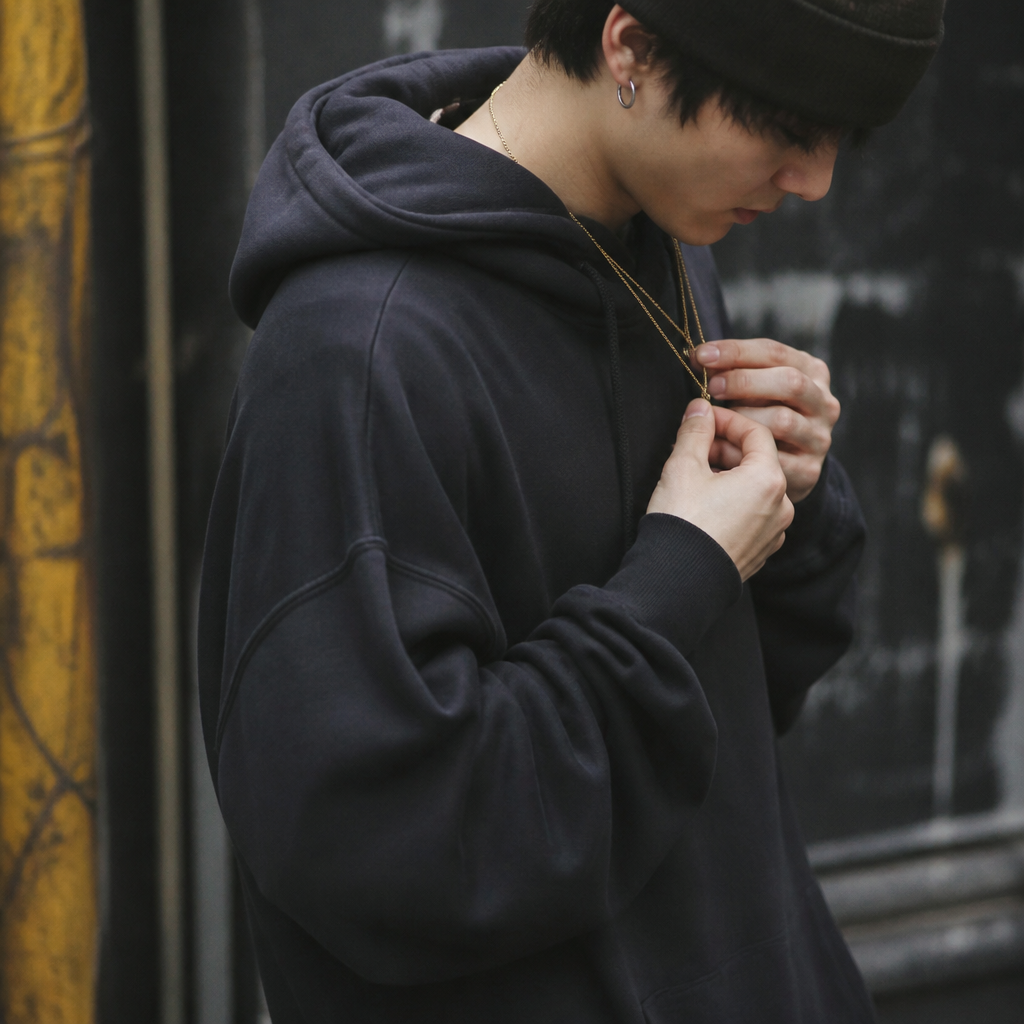
- Loose-fitting and comfortable clothing such as baggy jeans, tracksuits, and hoodies
- Signature accessories like snapback caps, bucket hats, gold chains, and large watches
- Footwear that emphasizes style and exclusivity, especially branded sneakers (e.g., Nike Air Jordans)
- Bold colors, graphic prints, and logos representing affiliations or social statements
These elements collectively reflect hip-hop’s roots in self-expression, empowerment, and community identity, often highlighting socioeconomic struggles and cultural pride.
Origins and Evolution of Hip-Hop Fashion
Hip-hop fashion began in the 1970s as part of the broader hip-hop movement initiated by African American and Latino youth in New York City. Early influences merged elements from streetwear, disco, and African heritage, creating a vibrant visual language. In the 1980s and 1990s, artists such as Run-DMC popularized Adidas tracksuits and shell-toe sneakers, while groups like Public Enemy and N.W.A. used fashion to amplify messages of resistance and identity.
By the 2000s, hip-hop fashion had expanded globally, influenced by artists like Jay-Z, Missy Elliott, and Kanye West, who blended luxury brands with street style, introducing hip-hop aesthetics into high fashion contexts.
Subcategories of Hip-Hop Fashion: Streetwear, Luxury, and Symbolism
Streetwear: The Foundation of Hip-Hop Fashion
Streetwear represents the practical, everyday style within hip-hop fashion characterized by comfortable, casual clothing such as hoodies, sneakers, and graphic tees. It is deeply connected to urban youth culture and has been instrumental in making hip-hop fashion accessible. According to market reports by Statista, the global streetwear market was valued at approximately $185 billion in 2023, reflecting the commercial impact of hip-hop inspired street style on mainstream fashion.
Luxury Influence: Bridging Hip-Hop and High Fashion
Luxury fashion houses have increasingly incorporated hip-hop elements, acknowledging its cultural power. Designers like Virgil Abloh for Louis Vuitton and collaborations between brands such as Gucci and hip-hop artists demonstrate this fusion. This phenomenon not only elevates hip-hop fashion but also reshapes luxury fashion’s audience and aesthetics. A 2022 report by Business of Fashion highlighted that celebrity endorsements from hip-hop artists can boost a luxury brand’s sales by up to 20%.
Symbolism and Social Statements in Hip-Hop Fashion
Hip-hop fashion is not only about aesthetics but also conveys social messages. The use of certain brands, styles, or accessories can signify resistance against mainstream norms, pride in African American culture, or political statements. The adoption of ‘bling’ (excessive jewelry) symbolizes success despite socioeconomic adversity, while slogans and graphic tees often capture political and cultural commentary. This symbolic aspect enhances hip-hop fashion’s role as a form of communication and identity.
Global Impact and Contemporary Relevance of Hip-Hop Fashion
Hip-hop fashion’s influence spans continents, with streetwear communities thriving in cities from Tokyo to Paris and Johannesburg. According to a 2023 McKinsey report on global fashion trends, hip-hop inspired streetwear accounts for over 40% of youth-oriented fashion purchases worldwide. This shows the style’s mass appeal beyond its origins.
Moreover, the digital age through platforms like Instagram, TikTok, and YouTube has accelerated the diffusion of hip-hop fashion, enabling rapid trend cycles and global participation. Iconic figures such as Travis Scott and Rihanna serve as fashion icons who embody and evolve hip-hop style, further cementing its place in global culture.
Case Study: Hip-Hop Fashion in Mainstream Retail
Major retailers like Supreme, Off-White, and Adidas have built entire brand identities around hip-hop aesthetics, collaborating with artists to reach a wider audience. For example, Adidas reported a 15% increase in sales after partnering with rapper Kanye West for the Yeezy line, exemplifying the commercial power of hip-hop fashion collaborations.
Conclusion: Hip-Hop Fashion as a Dynamic Force in Global Style
In summary, hip-hop fashion originated as a form of cultural expression rooted in marginalized communities but has grown into a globally influential style shaping the fashion industry at large. Its key attributes—streetwear practicality, luxury collaborations, and rich symbolism—make it a versatile and dynamic form of fashion. The style continues to evolve with cultural shifts, digital media, and global collaborations, confirming its lasting importance and relevance. For those interested in contemporary fashion or cultural studies, exploring hip-hop fashion offers invaluable insights into how style intersects with identity, economics, and social movements worldwide.
Related Posts

วิธีเลือกผ้าเสื้อโอเวอร์ไซส์ให้ไม่ย้วย ไม่เสียทรง
1. เลือกน้ำหนักผ้าให้เหมาะสม (Fabric Weight) น้ำหนักผ้าเป็นปัจจัยสำคัญที่สุดในการเลือกเสื้อโอเวอร์ไซส์ ผ้าที่เบาเกินไปมักจะห้อยย้วยและเสียทรงได้ง่าย โดยเฉพาะเมื่อตัดเป็นทรงหลวม ผ้าที่มีน้ำหนักอยู่ในช่วง 180–280 แกรม/ตารางเมตร…
5 เทรนด์ลายเสื้อสตรีทแวร์มาแรงที่ต้องรู้ในปีนี้
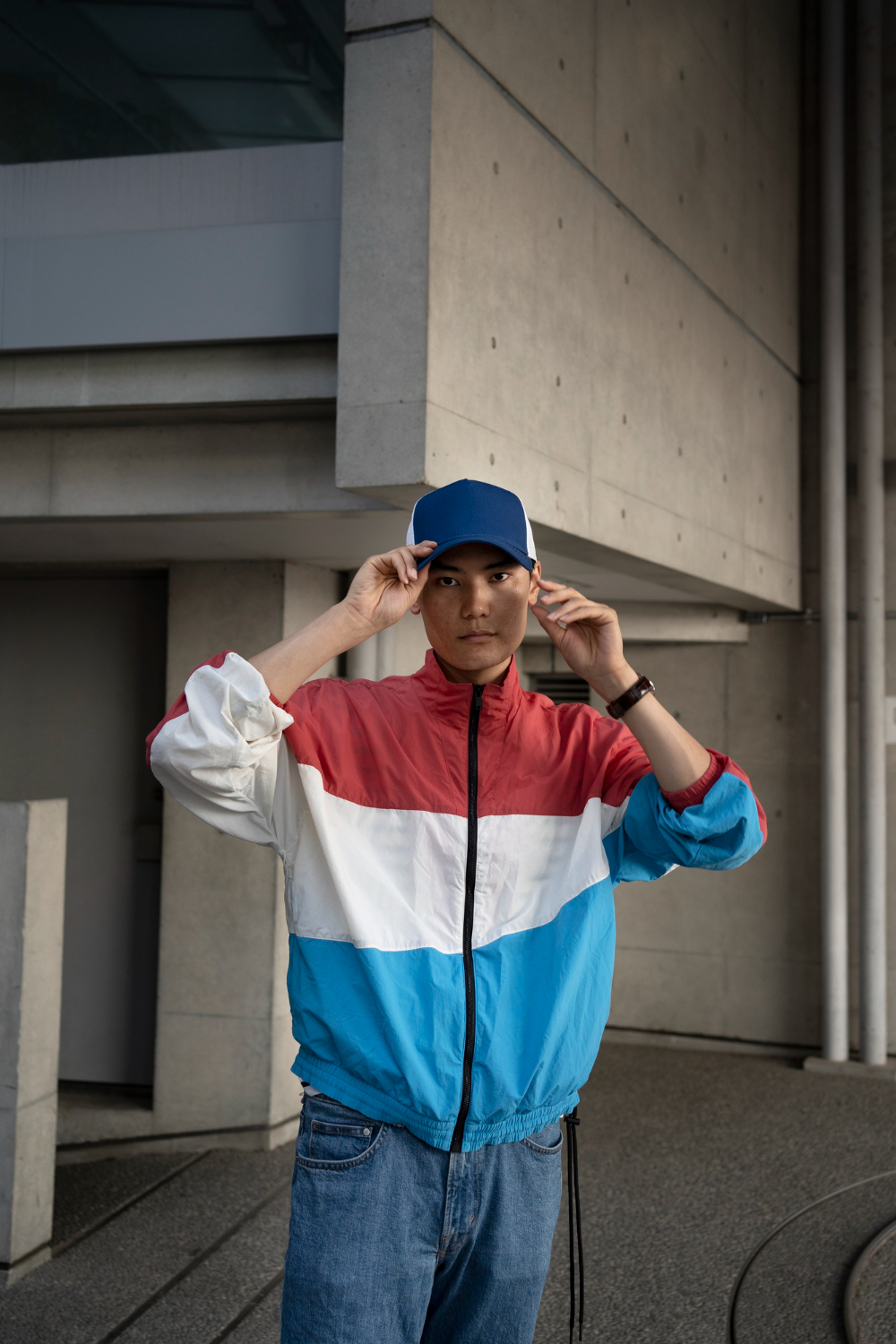
บทนำ สตรีทแวร์ไม่ใช่แค่แฟชั่น แต่คือภาษาที่คนรุ่นใหม่ใช้สื่อสารตัวตนออกสู่โลก ตั้งแต่ซอยแคบๆ ในโตเกียวไปจนถึงถนนใหญ่ในนิวยอร์ก ลายเสื้อสตรีทแวร์ได้กลายเป็นสัญลักษณ์ของวัฒนธรรม ความคิด และทัศนคติที่ไม่มีพรมแดน ในยุคที่โซเชียลมีเดียขับเคลื่อนเทรนด์ให้เปลี่ยนแปลงอย่างรวดเร็ว การรู้ว่าลายไหนกำลังมาแรงจึงเป็นสิ่งสำคัญสำหรับทั้งนักแต่งตัวและนักออกแบบ…
ส่องไอเดียแฟชั่นฮิปฮอปด้วย Hoodie ที่เหมาะกับอากาศเมืองไทย
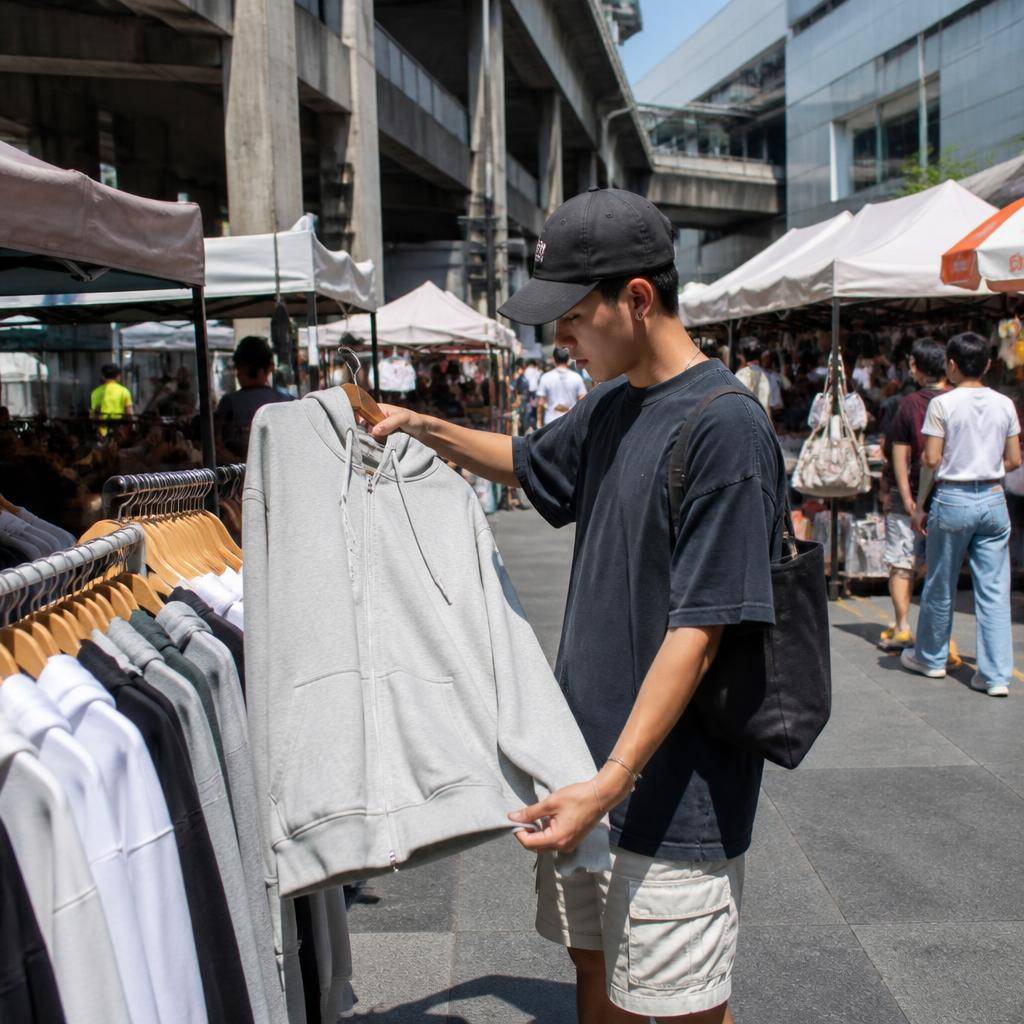
แฟชั่นฮิปฮอปกับ Hoodie ที่เหมาะสมกับอากาศเมืองไทย แฟชั่นฮิปฮอปเป็นสไตล์ที่มีการผสมผสานระหว่างความสบายและความโดดเด่นซึ่งได้รับความนิยมสูงในวงการแฟชั่นทั่วโลก โดยเฉพาะไอเท็มหลักอย่าง Hoodie หรือเสื้อฮู้ด ที่ถือเป็นสัญลักษณ์ของสไตล์นี้ ในประเทศไทยที่มีอากาศร้อนชื้นตลอดทั้งปี การเลือกใช้…